Limbs Trimming in Allentown, PA
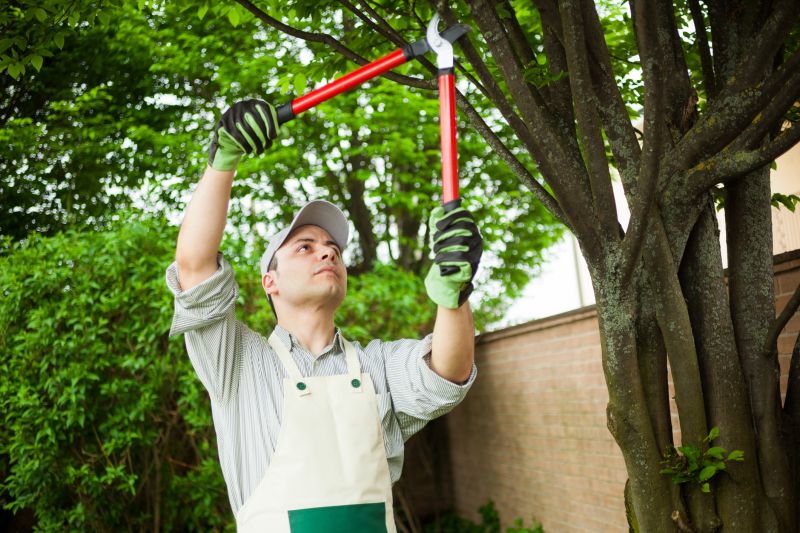
Limbs trimming services involve carefully removing excess or overgrown branches from trees and shrubs to promote healthy growth, improve appearance, and reduce potential hazards. This service covers a variety of projects, including thinning dense canopies, shaping trees for aesthetic purposes, removing dead or damaged limbs, and ensuring that branches do not interfere with power lines, structures, or pathways. Property owners often seek limbs trimming to enhance the safety of their outdoor spaces, prevent damage during storms, and maintain a well-kept landscape.
Before requesting limbs trimming, property owners should consider the size and type of trees or shrubs involved, as well as the overall goal of the trimming project. Understanding the specific areas where trimming is needed and any local regulations or guidelines can help in planning the work effectively. Proper assessment ensures that trimming supports the health of the plants and aligns with the desired aesthetic or safety outcomes for the property.
Many property owners in Allentown, PA look into Limbs Trimming for repairs, replacements, upgrades, and appearance-related improvements.
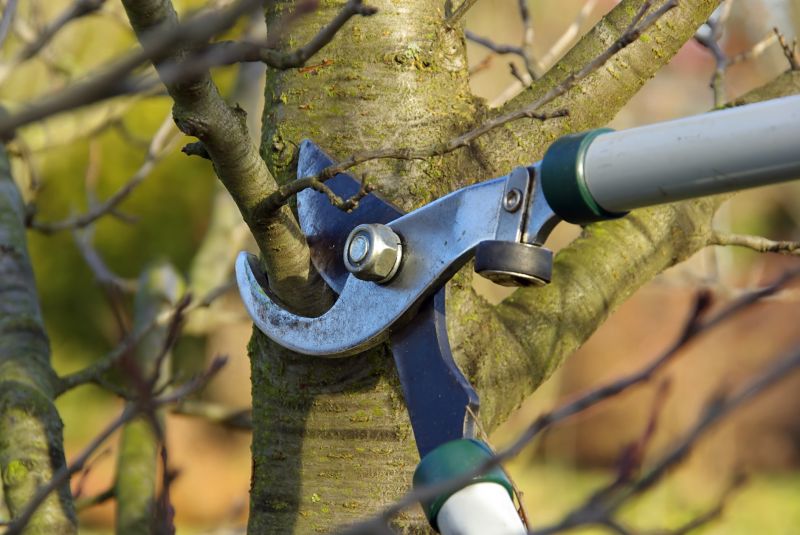
Tree Health And Safety
Proper limb trimming helps prevent storm damage and promotes healthy growth.
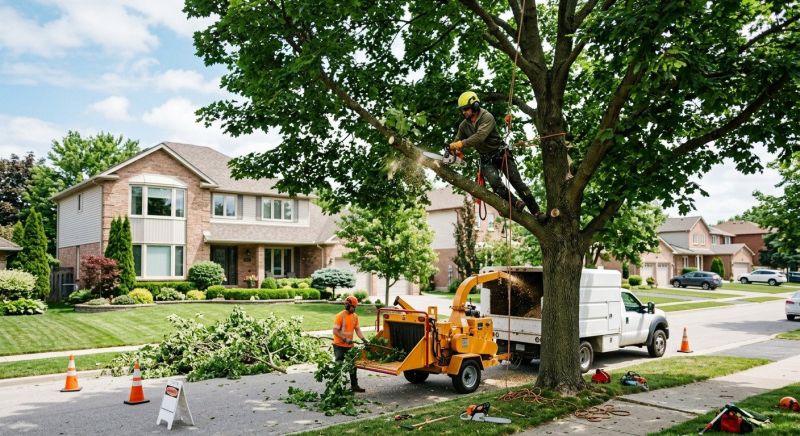
Property Maintenance
Regular trimming keeps trees and shrubs neat, enhancing curb appeal around allentown homes.
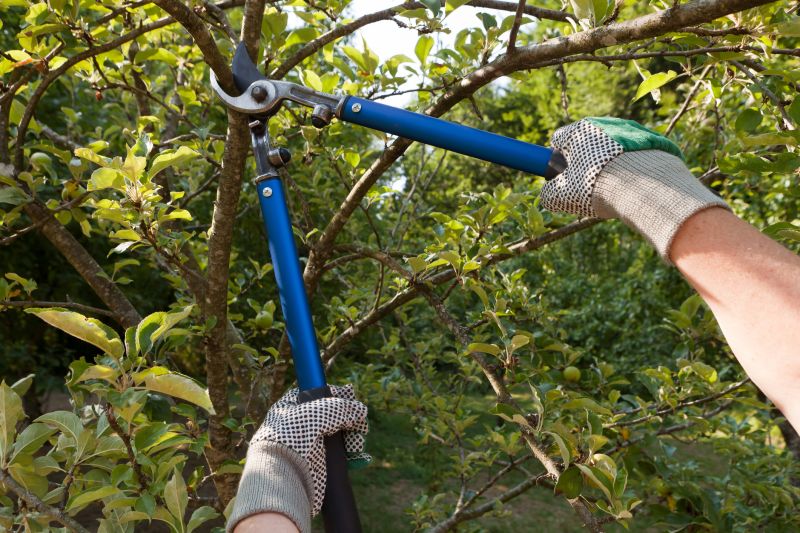
Risk Reduction
Removing overgrown or damaged limbs reduces the risk of falling branches and property damage.
Limbs Trimming in Allentown, PA

Limbs trimming services involve carefully removing excess or overgrown branches from trees and shrubs to promote healthy growth, improve appearance, and reduce potential hazards. This service covers a variety of projects, including thinning dense canopies, shaping trees for aesthetic purposes, removing dead or damaged limbs, and ensuring that branches do not interfere with power lines, structures, or pathways. Property owners often seek limbs trimming to enhance the safety of their outdoor spaces, prevent damage during storms, and maintain a well-kept landscape.
Before requesting limbs trimming, property owners should consider the size and type of trees or shrubs involved, as well as the overall goal of the trimming project. Understanding the specific areas where trimming is needed and any local regulations or guidelines can help in planning the work effectively. Proper assessment ensures that trimming supports the health of the plants and aligns with the desired aesthetic or safety outcomes for the property.
Many property owners in Allentown, PA look into Limbs Trimming for repairs, replacements, upgrades, and appearance-related improvements.
Common Limbs Trimming Jobs
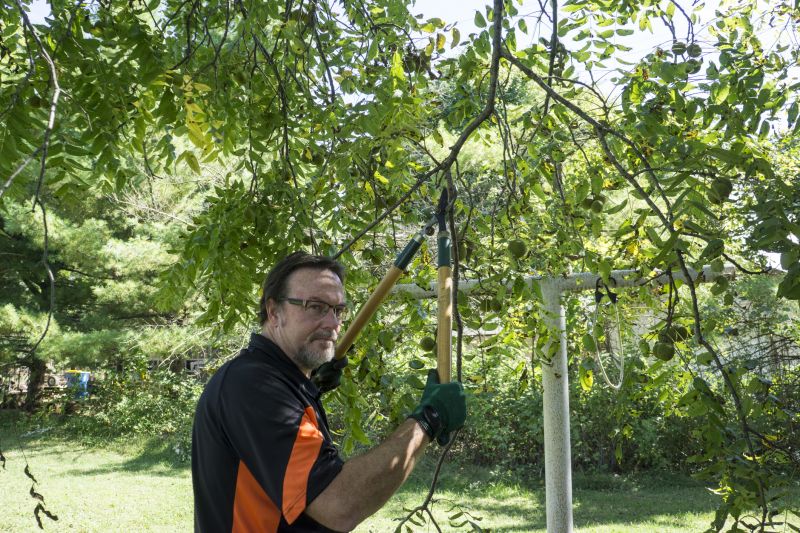
Tree Limb Removal - safely removes excess or hazardous branches to improve tree health and safety.
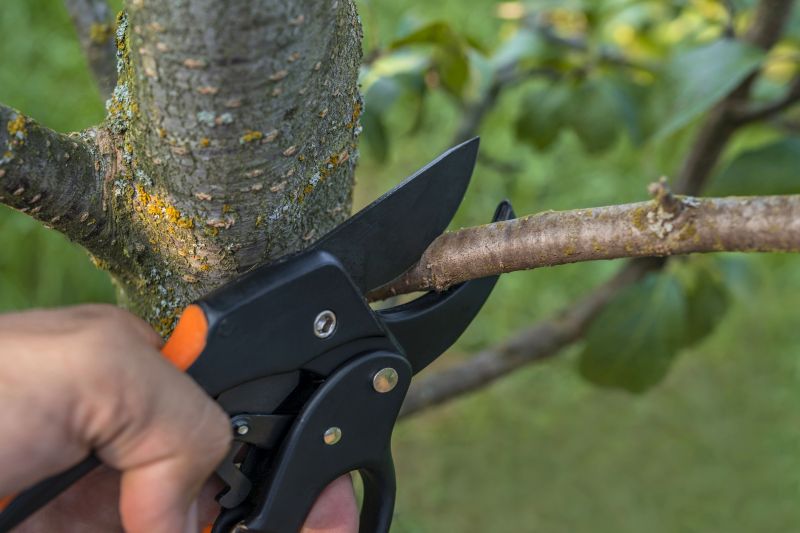
Pruning Services - shapes and maintains trees by trimming overgrown or damaged limbs.
Crown Thinning - reduces density in the upper canopy for better light penetration and airflow.
Dead Limb Removal - eliminates dead or dying branches to prevent potential hazards.
Storm Damage Trimming - clears broken or fallen limbs caused by severe weather events.
Selective Limb Cutting - targets specific branches to enhance overall tree structure and appearance.
Limbs Trimming Questions
What types of limbs can be trimmed? Limbs of trees and shrubs that are overgrown, damaged, or interfering with structures can be trimmed for safety and appearance.
Why is trimming limbs important? Trimming helps maintain plant health, reduces risk of falling branches, and improves the overall look of the landscape.
When is the best time to trim limbs? The ideal time varies by plant type, but generally during late winter or early spring before new growth begins.
How does trimming affect tree health? Proper trimming removes dead or diseased limbs, promoting better growth and reducing the chance of pests or decay.
Request Limbs Trimming in Allentown, PA
Use the quote form on this page to share the basics of your project and request more information for the type of work you need.